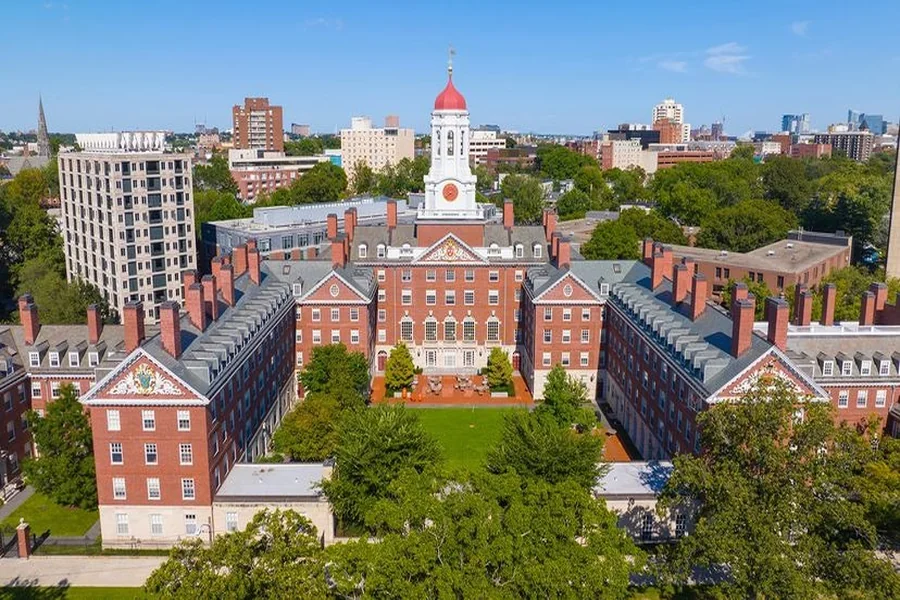
The Ivy League is one of the most well-known groups of universities in the world. Known for academic excellence, prestigious history, and strong alumni networks, Ivy League schools attract students who are ambitious, curious, and ready to make an impact. For students exploring their options, it’s helpful to have a list of Ivy League schools and understand the strengths that make each one unique.
1. Harvard University (Massachusetts)
Strengths: Law, business, medicine, political science, research opportunities.
Harvard is the oldest university in the U.S. and is famous for producing world leaders, Nobel laureates, and influential thinkers. Its extensive alumni network provides unmatched career opportunities.
2. Yale University (Connecticut)
Strengths: Law, drama, music, humanities, international relations.
Yale is renowned for its strong liberal arts programs and its famous drama and music schools. It emphasizes interdisciplinary learning and student-led initiatives.
3. Princeton University (New Jersey)
Strengths: Mathematics, physics, engineering, public policy, undergraduate teaching.
Princeton focuses heavily on undergraduate education, offering small class sizes, close interaction with faculty, and research opportunities from day one. For students comparing options, reviewing a list of Ivy League schools can help highlight how Princeton stands out for its strong focus on personalized education and leadership development.
4. Columbia University (New York)
Strengths: Journalism, international affairs, research, business, law.
Located in New York City, Columbia provides students with unmatched access to internships, cultural experiences, and global connections.
5. University of Pennsylvania (Pennsylvania)
Strengths: Business (Wharton School), healthcare, social sciences, law.
UPenn is known for blending academic rigor with practical learning. The Wharton School is one of the world’s top business schools, giving students strong entrepreneurial and career opportunities.
6. Brown University (Rhode Island)
Strengths: Open curriculum, creativity, independent research, humanities.
Brown encourages intellectual freedom through its open curriculum, allowing students to design their own education and explore interdisciplinary interests.
7. Dartmouth College (New Hampshire)
Strengths: Strong undergraduate focus, business, engineering, environmental studies.
Dartmouth has a close-knit community with small class sizes and emphasizes leadership and personal development. Its graduate programs are also highly respected.
8. Cornell University (New York)
Strengths: Engineering, agriculture, hospitality, architecture, life sciences.
Cornell combines a wide range of programs with strong research opportunities. It is known for innovation and hands-on learning experiences.
Why Knowing This List Matters
For students considering Ivy League schools, understanding the unique strengths of each university can help in choosing the best fit. Some students may prioritize small class sizes and close faculty mentorship, while others may focus on professional opportunities, research, or campus culture. By reviewing this list of Ivy League schools, you can make an informed choice that aligns with your academic goals and personal growth.
Conclusion
The Ivy League represents some of the most prestigious universities in the world, but each school has its own culture, strengths, and opportunities. Exploring a list of Ivy League schools helps students find the best environment for their studies, career ambitions, and personal development. Success in these schools depends not only on the name but also on how students take advantage of the resources, programs, and networks each university offers.