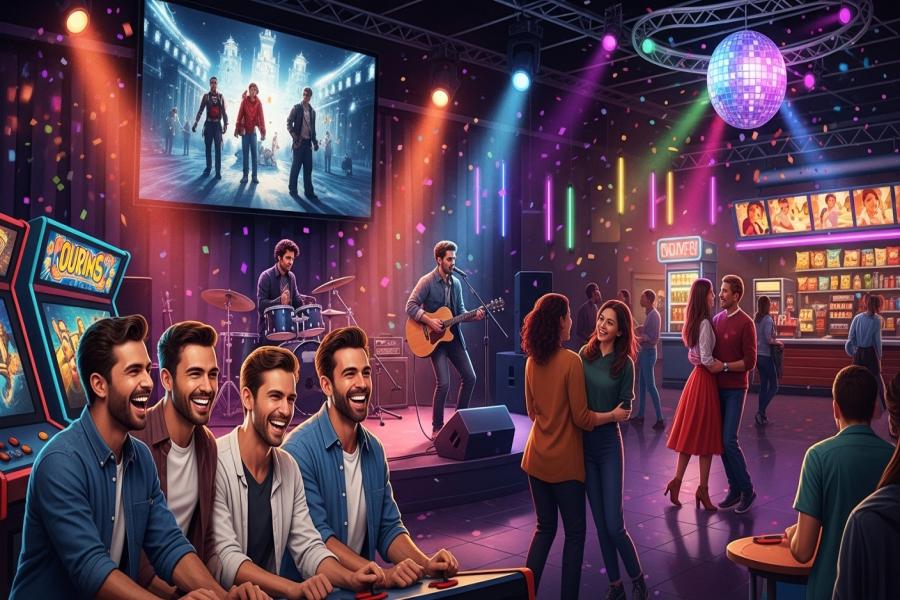
Online entertainment has changed fast. Users want action. They want to take part in every moment. They no longer sit back and watch. They click they react they join in. This shift is clear across gaming streaming social apps and even simple chat tools. The pull toward interaction keeps growing. In this article we explore why online entertainment is more interactive than ever and how it shapes the way people spend their free time today.
The Rise of Real Time Features
Real time features drive a big part of this shift. People like fast response. They want the screen to react right away. Live chat in games or live polls in streams give users a sense of being present. It builds a link between users and creators. That link keeps them from leaving.
Even streaming platforms now add tools that let viewers choose scenes or trigger small actions. Some creators let viewers pick the next step in a story. Others open short games inside live streams. The more these features grow the more time users spend on the platform. Real time systems create a loop. Users act and see fast results. Then they act again.
Gaming Became More Social
Online Slot gacor gaming used to be about playing a match or beating a level. Now it is a social space. Voice chat group play and co op modes make users feel like they are inside the same room. Players build teams and long term groups. They return not only for the game but for the people they meet there.
Mobile gaming also supports this shift. Many free titles push social challenges daily tasks and live events. Even short play sessions feel active. You join a team help a friend or take part in a quick battle. These small tasks keep users connected. They also keep players engaged through shared goals.
Cloud gaming is also growing. It lets people play from almost any device. No downloads. No long waits. This means more people join at any time and can interact right away.
Creators and Viewers Now Work Together
User and creator roles blend more each day. Viewers want to shape content. Creators respond because it keeps their audience strong. On many platforms creators run live sessions where users can ask for moves tips or story changes. Some creators even let fans guide the whole stream with on screen tools.
Short video apps support this trend. They push quick reactions duets stitches and shared views. A user can add their own part to a clip and send it back into the feed. It feels like a conversation. It builds a cycle of fast interaction that keeps content fresh.
AI Tools Boost Interaction
AI now sits behind many tools we use. It powers recommendations chat systems and even game behavior. These tools help platforms react in smart ways. AI chat bots answer questions. AI driven games learn from user actions. AI filters push the right content at the right time. All these features create a smooth experience.
Some platforms also use AI to let users create simple content with prompts. That keeps users active. They can make images stories or short scenes without deep skills. This makes online spaces feel more open and alive.
AI also helps creators run bigger communities. Bots handle basic tasks like moderation or simple replies. That leaves the creator free to talk with followers and build direct links.
Interactive Storytelling Has Become Common
Storytelling is changing. It is no longer a one way path. New shows games and apps use branching paths. Users pick choices and the story reacts. This gives users control. They stay more alert and involved.
Interactive fiction apps let people shape characters and pick outcomes. Live action games take it further with daily updates based on user votes. Even kids content uses simple choices to keep them focused.
Platforms that mix video and simple gameplay also grow fast. They give users a chance to shape scenes. They blend story and play without heavy controls. It is one more way online entertainment becomes active instead of passive.
Social Apps Push Users To Participate
Social media used to be about posting and scrolling. Now it is about taking part. Many platforms add tools like live rooms group calls reactions and polls. Users can jump in and talk with others in real time. These small actions build a sense of community.
Short video platforms push trends where users copy a move answer a question or follow a challenge. These are simple tasks but they create shared action. People feel part of something bigger. That social bond keeps them active for long hours.
Live Events Bring People Together
Live events create large waves of interaction. Online concerts gaming tournaments live shows and online festivals bring huge groups to one spot. People chat react and join in. They feel part of the event even from home.
Many platforms add special tools during live events. Some create digital items that viewers can send. Some open mini games during breaks. Others let people meet in virtual rooms. These tools bring users closer to the event and to each other.
Sports streaming is also shifting. Fans can vote for moments get fast stats and chat with others. It adds new layers to the viewing experience.
Online Communities Shape The Experience
Communities sit at the center of this rise in interaction. Users gather around games shows creators and shared interests. They talk share tips and support each other. The community itself becomes part of the entertainment.
Platforms notice this and offer tools to help groups grow. Some add roles badges or simple tasks that reward active members. These small features keep users talking. It turns the platform into a social home.
VR and AR Create Deeper Interaction
Virtual reality and augmented reality add a new level of interaction. VR takes users inside a space where they can move talk and act. AR adds digital layers to the real world. Both open new ways to play or explore.
Users no longer stare at a screen. They take part with their body. They can move closer to objects or dodge in real time. It gives a strong sense of presence. Social VR apps also allow group hangouts. People can meet in a digital room and play small games.
AR Slot games on phones add another layer. They turn streets parks and homes into play zones. These games push users to explore. The world becomes part of the entertainment.
Why Interaction Matters Today
People want control. They want to feel like their action shapes what they see. This sense of agency keeps them active. They return more often. Platforms know this. That is why every new update brings some form of interaction.
Attention spans are short. Users leave fast if nothing responds. But when something reacts to them they stay. Interaction also builds trust and emotional bonds. It makes online spaces feel alive.
FAQ
1. Why is online entertainment more interactive now?
Platforms add real time tools AI features and social systems that let users take part instead of just watch.
2. What role does gaming play in this trend?
Gaming leads the shift. It mixes social play voice chat and shared goals which build strong interaction.
3. How does streaming become more interactive?
Creators use polls live chat and viewer choices. Some streams let users shape scenes or guide the story.
4. Does AI make online entertainment more interactive?
Yes AI tools respond fast help creators manage communities and let users create simple content with prompts.
5. Will online entertainment keep getting more interactive?
Yes as new tools like VR AR and AI grow platforms will keep adding more user control and real time features.