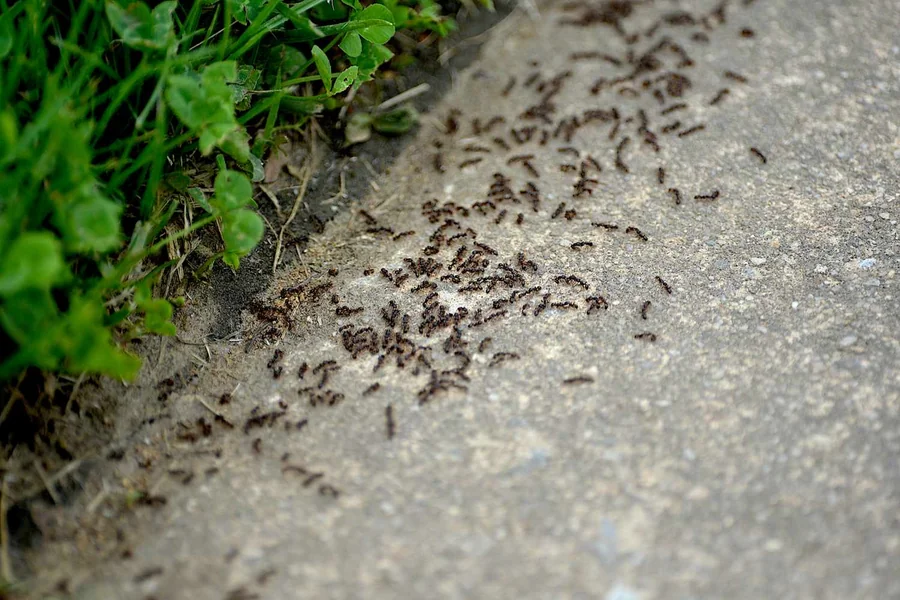
Outdoor landscaping is often designed to enhance the beauty and functionality of a property, but it can also have unintended consequences for the home’s interior. Many homeowners are surprised to discover that their landscaping decisions may be linked to increased ant activity indoors. The connection between the outdoor environment and indoor pest problems is more significant than it might seem at first glance. Understanding how certain landscaping features and maintenance practices can attract ants or provide them with easy access to your home is crucial for maintaining a comfortable, pest-free living space. This article examines the relationship between landscaping and indoor ant issues, offering insights into how your yard may be influencing what happens inside.
How landscaping affects indoor ant problems
Landscaping choices can have a direct impact on the likelihood of ants entering your home. The types of plants you select, the placement of garden beds, and the materials used for mulch or ground cover all play a role in creating an environment that may either deter or attract ants. Dense vegetation close to the house can provide shelter and moisture, both of which are attractive to ants. Overhanging branches and shrubs that touch the exterior walls can act as bridges, allowing ants to bypass barriers and find entry points. Additionally, certain types of mulch, especially those that retain moisture, can create ideal nesting sites for ant colonies. When these colonies are established near the foundation, it becomes much easier for ants to migrate indoors in search of food and water. Regular maintenance, such as trimming plants and keeping garden beds away from the house, can help reduce the risk of indoor infestations.
The role of moisture and shelter in ant attraction
Ants are constantly searching for environments that provide both moisture and shelter, and landscaping can inadvertently supply both. Water features, poorly drained soil, and irrigation systems that leak or oversaturate the ground can create damp conditions that are highly attractive to ants. Mulch and leaf litter, when allowed to accumulate near the foundation, offer protection from predators and extreme weather, making them perfect nesting sites. Once ants establish a colony close to the home, they are more likely to venture inside, especially during periods of drought or heavy rain when their outdoor habitat becomes less hospitable. Homeowners often overlook the importance of proper drainage and the placement of water sources in their landscaping plans. By ensuring that water does not pool near the foundation and by keeping mulch and organic debris away from the house, it is possible to make the area less appealing to ants and reduce the chances of them moving indoors.
Landscaping materials and their impact on ant movement
The choice of landscaping materials can significantly influence ant activity around and inside the home. Organic mulches, such as wood chips and bark, are popular for their aesthetic appeal and ability to retain soil moisture, but they also provide an ideal environment for ants to nest and thrive. In contrast, inorganic materials like gravel or stone do not retain moisture as effectively and are less likely to harbor ant colonies. The use of landscape timbers, railroad ties, or untreated wood in garden borders can also attract ants, as these materials can become damp and begin to decay, offering both food and shelter. When these materials are placed directly against the foundation, they create a convenient pathway for ants to enter the home. Homeowners in regions with persistent ant problems, such as those seeking ant control Pittsburgh, should carefully consider the types of materials used in their landscaping to minimize the risk of indoor infestations. Regularly inspecting and replacing decaying materials can further help to disrupt ant colonies and reduce their presence near the home.
Common landscaping mistakes that invite ants
Many common landscaping practices can inadvertently make a property more attractive to ants. Planting dense shrubs or ground cover right up against the house creates a humid, shaded environment that ants find appealing. Allowing tree branches or vines to touch the exterior walls provides a direct route for ants to access upper levels of the home, bypassing ground-level barriers. Failing to regularly clean up fallen leaves, grass clippings, and other organic debris can result in the accumulation of material that serves as both food and shelter for ants. Overwatering lawns and gardens, or neglecting to fix leaky outdoor faucets and irrigation systems, can create persistently damp conditions that encourage ant colonies to establish themselves nearby. Even decorative features like rock gardens or retaining walls can become problematic if they are not properly maintained, as ants can nest in the crevices and use them as staging grounds for indoor invasions. By being mindful of these potential pitfalls, homeowners can make informed decisions that help keep ants at bay.
Quick landscaping tips for ant prevention
Simple changes to landscaping can make a significant difference in reducing ant activity. Keeping plants and mulch at least a foot away from the foundation, trimming back overhanging branches, and choosing inorganic ground covers are effective strategies. Ensuring proper drainage and promptly repairing leaks also help deter ants from nesting near the home.
Seasonal changes and their influence on ant behavior
Seasonal shifts can have a profound effect on ant activity, both outdoors and indoors. During the spring and summer months, ants are most active, foraging for food and expanding their colonies. Warm temperatures and increased rainfall can lead to rapid growth of vegetation and higher moisture levels in the soil, both of which can attract ants to landscaped areas. As the weather cools in the fall, ants may begin to seek shelter indoors, especially if their outdoor nests become less hospitable due to declining temperatures or reduced food availability. Winter can drive ants deeper underground or into the warmth of homes, particularly if landscaping features like mulch beds or compost piles are located close to the foundation. Homeowners should be aware of these seasonal patterns and adjust their landscaping maintenance accordingly, such as by reducing mulch depth before winter or trimming back vegetation in the spring. By anticipating how seasonal changes affect ant behavior, it is possible to take proactive steps that minimize the risk of indoor infestations throughout the year.
Conclusion
Outdoor landscaping choices play a significant role in determining the likelihood of indoor ant activity. The types of plants, materials, and maintenance practices used around the home can either deter or attract ants, often providing them with the resources and pathways they need to move indoors. Moisture, shelter, and easy access are the primary factors that draw ants from the yard into the house, and these are often influenced by landscaping decisions. By understanding the connection between the outdoor environment and indoor pest problems, homeowners can make informed choices that help keep ants outside where they belong. Regular maintenance, thoughtful plant selection, and careful use of landscaping materials are all important strategies for reducing the risk of indoor ant infestations and maintaining a comfortable, pest-free home.